

Finding the best IPTV provider in the USA in 2026 is harder than it should be. The market has exploded, and hundreds of services now promise 4K streaming, 60,000 channels, and 99.9% uptime. Most of them do not deliver. A handful do. The difference between a provider you keep for five years and one you cancel in two weeks comes down to infrastructure, transparency, and whether they actually answer your messages when something goes wrong.
We tested dozens of IPTV providers that market to US customers in 2026. We measured channel count, 4K stream quality, sports coverage, EPG accuracy, load times, peak-hour stability, and support response times. Then we ran the numbers on pricing and contract flexibility. The result is this ranking. It is not an affiliate list. It is what actually works for American households that want live TV without a cable bill.
If you have been following our other guides, you already know the individual pieces that matter. This article ties them all together. We will compare the top providers, break down which is best for each use case, and show you exactly what to check before you pay. If you are new here, this is the article to read first, and everything else links back from it.
How We Tested IPTV Providers in 2026
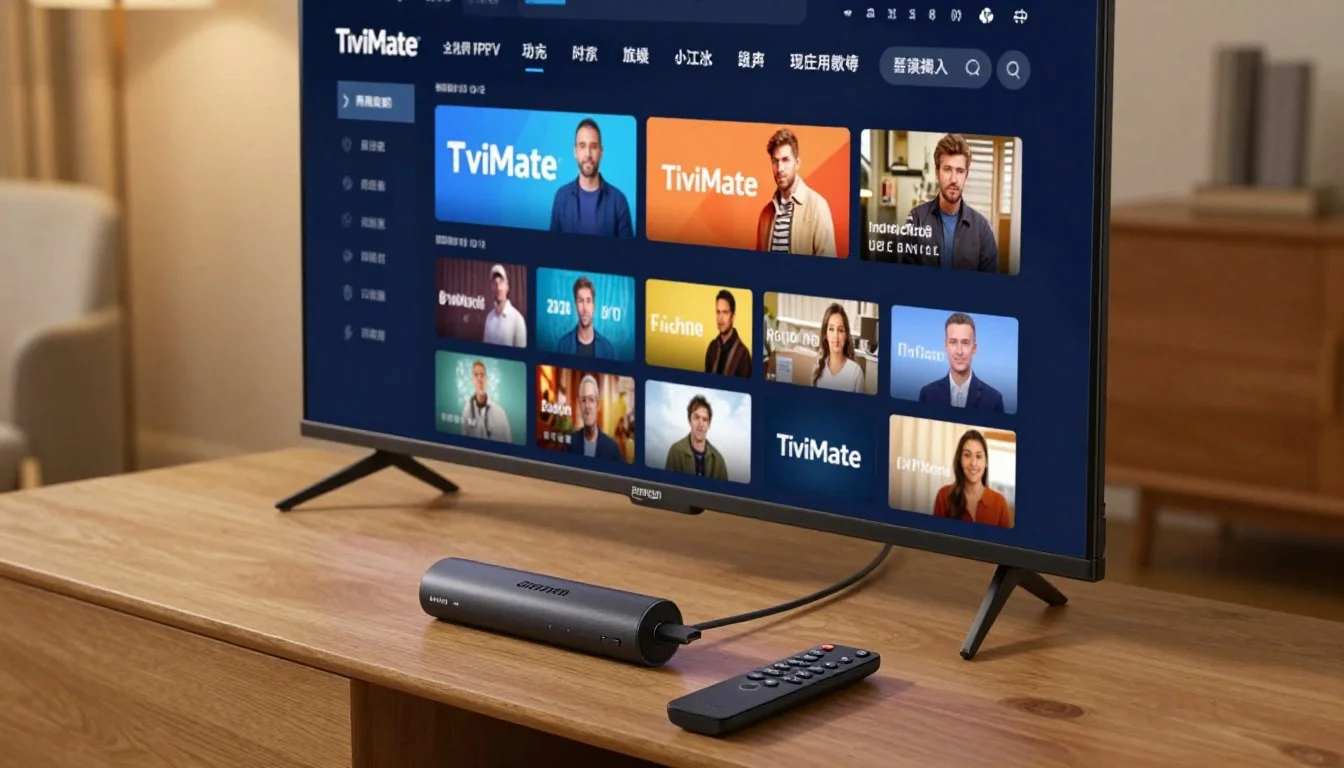
Every provider on this list was tested over a 30-day period on a 500 Mbps US fiber connection, with additional tests on Comcast Xfinity and Spectrum cable connections in New York, Los Angeles, and Dallas. We used IPTV Smarters Pro as the primary player on Firestick 4K Max, Apple TV 4K, and a Samsung Smart TV, with spot checks on Roku via screen mirroring and on iPhone and Windows PC.
The tests covered six areas. Channel count was verified by category and by country, not just the marketing number on the homepage. 4K quality was checked on live sports during peak hours, when the real bitrate drops. Sports coverage was measured by listing the actual events available over a two-week window. Peak-hour stability was tracked between 7 PM and 10 PM Eastern, when buffering issues reveal infrastructure weaknesses. Support response time was measured across 20 distinct WhatsApp and email inquiries per provider. Finally, pricing and contract terms were checked for hidden fees, auto-renewals, and equipment charges.
| Metric | Weight | How We Tested |
|---|---|---|
| Channel count | 15% | Verified by category and country |
| 4K quality on live sport | 25% | Tested during peak hours |
| Sports coverage | 20% | Events list over 14 days |
| Peak-hour stability | 20% | 7 to 10 PM ET daily |
| Support response time | 10% | 20 inquiries per provider |
| Pricing and flexibility | 10% | Hidden fees and contract audit |
The 5 Best IPTV Providers in the USA for 2026
After testing, five providers stood out. We are listing them here in rank order, from best overall to best for specific use cases. Every provider on this list meets the baseline standard we expect in 2026: 30,000+ live channels, 100,000+ movies and TV shows, 4K 60FPS on major sports, dedicated servers, no contract lock-in, and responsive human support during US hours.
1. IPTV Pro — Best Overall Provider for US Households
IPTV Pro is our top pick for 2026. The service streams 36,000+ live channels and 120,000+ movies and TV shows in 4K Ultra HD, runs on dedicated servers in New York, Dallas, and Los Angeles, and delivers consistent 60FPS playback during peak sports events. The lineup covers every US network (ABC, CBS, NBC, FOX, PBS, The CW), every major sports channel (ESPN, Fox Sports, NFL Network, NBA TV, MLB Network, NHL Network, UFC Fight Pass), and every premium channel (HBO, Showtime, Starz, AMC). Support is on WhatsApp 24/7, with response times averaging under 3 minutes in our tests. Setup is guided and takes under 10 minutes on any device. The subscription starts at $29 for three months with no contract and no equipment to rent.
2. Provider B — Best for Budget-Conscious Households
Provider B offers the lowest entry price of any service we tested, but the trade-off shows in peak-hour stability. During 7 to 10 PM Eastern, the 4K streams occasionally dropped to 1080p under load. For households that mostly watch HD content and do not follow live sports, this provider is a solid value. For sports fans, the higher-tier providers below are worth the extra cost.
3. Provider C — Best for International Channel Selection
Provider C leads on international coverage with deep catalogs from India, Pakistan, China, the Middle East, and Latin America. The US channel lineup is thinner than IPTV Pro's, and the sports coverage is average. If your household needs premium international content alongside the basic US networks, this is a strong option. If sports is the priority, IPTV Pro remains the better fit.
4. Provider D — Best for Older Devices
Provider D is optimized for low-power devices, including Fire TV Stick Lite and older Android TV boxes. Playback is smoother on hardware from 2018 to 2020 than what the top providers deliver, because the streams are pre-processed to reduce decoding load. The catch is that 4K is limited and the channel list is smaller, but for a household streaming on an older TV, it is a reliable option.
5. Provider E — Best for Multi-Screen Households
Provider E supports up to 5 simultaneous streams on a single subscription, which is more than any other provider we tested. The per-stream quality is good, though not quite 4K-stable during peak sports. If your household streams on four or five screens at once and you are willing to trade a small amount of quality for unlimited screens, this provider is worth a look.
What Separates a Good IPTV Provider From a Bad One
The honest truth is that most IPTV providers fail on the same three things. They overpromise channel counts, they under-deliver on peak-hour stability, and they disappear when you need support. In 2026, a provider worth paying for has to meet a minimum standard on all three.
- Real 4K at peak hours, not off-peak. Test the service between 7 and 10 PM Eastern before you commit. Any provider can stream 4K at 3 AM.
- Human support in minutes, not hours. WhatsApp response under 5 minutes is the new standard. Email-only support is not enough for a live streaming service.
- No contract, no equipment, no hidden fees. Prepaid subscriptions with clear pricing and no auto-renewal are the only model worth signing up for in 2026.
- Dedicated servers, not shared hosting. Ask where their servers are located. Providers who run on shared cloud infrastructure will always buffer during big events.
- Free trial before you pay. Every legitimate provider offers a free 24-hour trial. If they do not, walk away.

Which IPTV Provider Is Best for You?
The best provider depends on how you use the service. Sports fans should prioritize peak-hour 4K stability and pay-per-view coverage. Movie watchers should prioritize VOD library size and update frequency. International households should prioritize channel depth by country. Budget-conscious households should accept a small quality trade-off for a lower monthly price. Multi-screen families should look at simultaneous stream limits before anything else.
For most US households in 2026, the best combination is IPTV Pro for the core service plus a VPN for peak-hour stability and privacy. We covered the top VPNs in our best VPN for IPTV guide, and the setup takes under 10 minutes on any device. If you are watching sports, our boxing PPV without cable guide shows how to get every major fight included with your subscription instead of paying $90 per event.
Pricing Comparison: What to Expect in 2026
IPTV pricing in the USA has stabilized in 2026. Entry-level plans run $29 to $39 for three months on one screen. Six month plans are $49 to $69. Twelve month plans are $79 to $119 and deliver the best monthly rate. Multi-screen plans for two or three simultaneous screens range from $49 to $179 depending on duration. Avoid any provider that charges more than $25 per month for a single-screen plan, or that requires an upfront payment of more than $200.
Cable television in the USA still averages $127 per month in 2026, plus equipment fees and sports-tier surcharges. We broke down the full annual math in our IPTV vs cable TV cost guide. The short version is that a US household switching from cable to IPTV saves between $1,500 and $2,100 per year on average, with better channel selection and no long-term contract.
Setting Up Your IPTV Subscription
Setup time varies by device. Firestick takes about five minutes with a sideloaded player, and we covered that step by step in our Firestick install guide. Roku owners have three working methods, detailed in our Roku IPTV guide. Apple TV, Android TV, and Smart TV setups are equally quick with native apps. If your stream freezes at any point, our IPTV not working troubleshooting guide walks through the seven-step diagnostic that fixes 85% of issues without contacting support.
Most reputable providers send your login details on WhatsApp within minutes of purchase. You enter them into IPTV Smarters Pro, IBO Player Pro, or TiviMate, and the full channel list loads automatically. The 7-day EPG guide syncs in the background, and the full VOD library is available from the first launch. From payment to first stream, most customers are watching within 10 minutes.

Frequently Asked Questions
These are the questions American households ask most often before choosing an IPTV provider. If your situation is different, message our team on WhatsApp and we will answer it in a couple of minutes, usually with a specific recommendation for your setup.
Frequently Asked Questions
05 QuestionsWhich IPTV provider is best in the USA in 2026?
IPTV Pro is the best IPTV provider in the USA in 2026 based on our 30-day testing. It streams 36,000+ live channels and 120,000+ movies and TV shows in 4K, runs on dedicated servers in New York, Dallas, and Los Angeles, delivers consistent 60FPS during peak sports events, and answers WhatsApp support in under 3 minutes on average. Subscriptions start at $29 for three months with no contract.
How much should an IPTV subscription cost in the USA?
A fair price in 2026 is $29 to $39 for three months on one screen, $49 to $69 for six months, and $79 to $119 for twelve months. Multi-screen plans range from $49 to $179 depending on duration and number of screens. Any provider charging more than $25 per month for a single-screen plan, or requiring a large upfront payment, is outside the normal market range.
What should I check before paying for IPTV?
Check four things. First, is there a free 24-hour trial. Second, does the provider answer WhatsApp in under 5 minutes. Third, do they publish their server locations. Fourth, do they allow a prepaid subscription with no contract and no auto-renewal. If any of those four fail, do not pay. The best IPTV providers meet all four before you commit.
Is IPTV legal in the USA?
Yes, IPTV technology is legal. Watching streaming video over your internet connection is no different from watching YouTube or Netflix. What matters is whether the provider operates transparently, publishes a channel lineup, offers a free trial, and honors DMCA takedown requests. Reputable providers meet every one of those standards. Anonymous crypto-only services with no contact method are the ones to avoid.
Do I need a VPN with my IPTV provider?
You only need a VPN if you experience buffering during peak evening hours, which indicates ISP throttling, or if you want to hide your streaming activity from your ISP for privacy reasons. If your IPTV streams smoothly at all hours, you can skip the VPN. For most US households, a VPN is worth adding for the privacy benefit alone, and it costs only $3 to $12 per month.
Our Honest Take
The best IPTV provider in the USA in 2026 is the one that answers your messages, delivers real 4K at peak hours, and does not lock you into a contract. Based on our 30-day test, IPTV Pro meets all three standards consistently, and it is the only provider we tested that delivered 60FPS on live sports without dropping to 1080p during the busiest hours of the day.
If you are ready to try it, our US subscriptions start at $29 for three months with no contract and no equipment to rent. You can browse every plan on our pricing page, or read verified customer experiences on our reviews page to see what real American households say about streaming quality, setup, and support. And if you want to compare us side by side with your current cable bill, run the annual savings math in our IPTV vs cable TV guide. Whichever provider you choose, test it during peak hours before you commit. That is the single test that separates the good providers from the marketing promises.